Place
Local knowledge
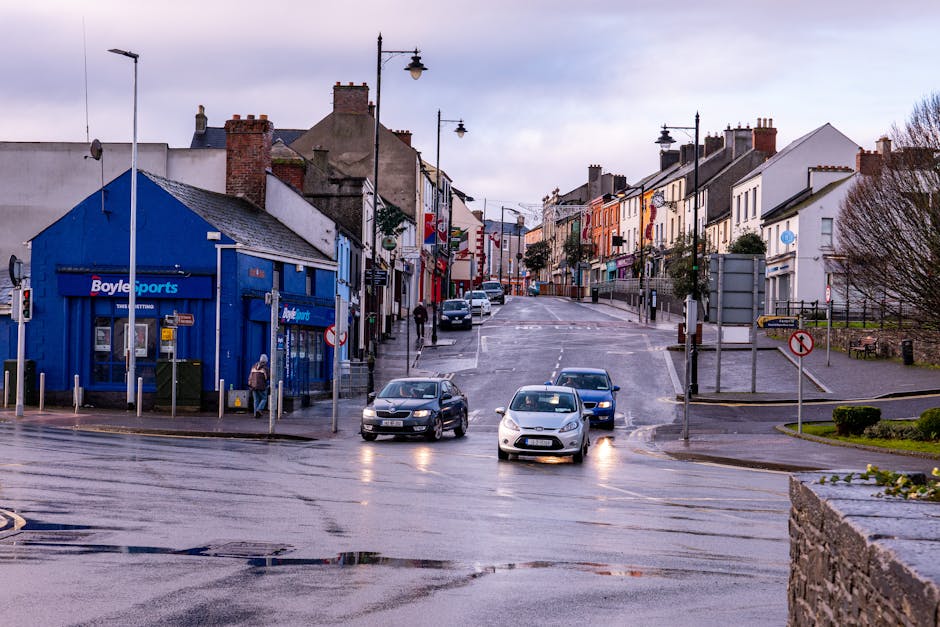
Stories begin in school halls, side streets, meeting rooms, and walks people already know. Familiar ground lowers pressure and makes participation easier.
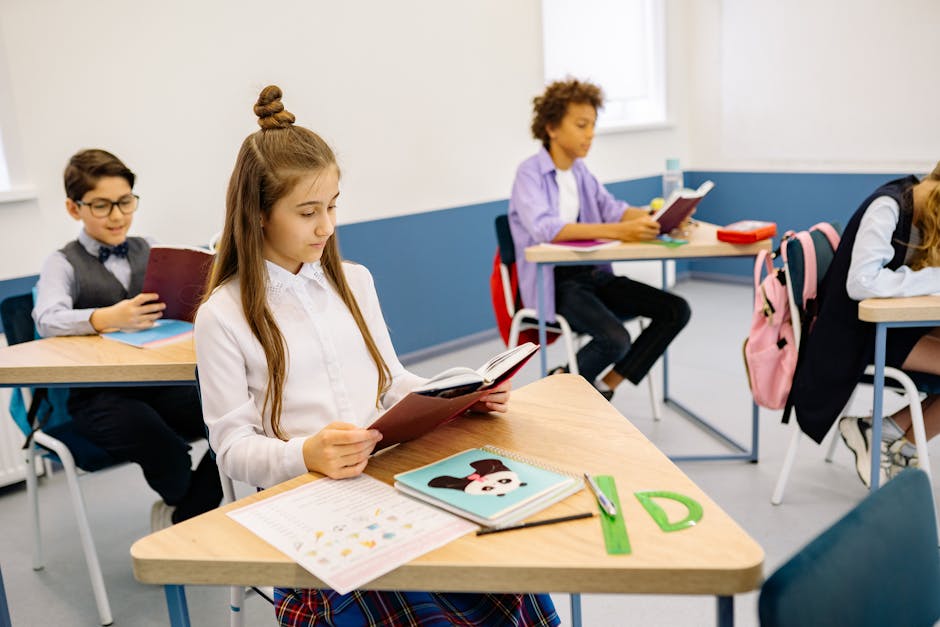
One autumn evening in Ballytruckle, parents arrived expecting a short meeting and stayed for nearly three hours. What changed the room was not a programme outline but time to speak honestly about school pressure, transport, and the quiet exhaustion that builds when support feels far away. That conversation set the pattern for future work: listen in full, respond locally, and make the first step simple enough that people can return.

The strongest stories often begin with repetition. Chairs laid out before a workshop. Tea poured before difficult topics. A familiar welcome at the door. Over time, children began arriving earlier, parents stayed longer, and visiting partners found they could build on trust that was already in place. The visible work looked modest, but the effect was durable: people knew where to go and who would be there.
“When people recognise their own experience in the room, they begin to speak with more confidence.”
Story note from a family workshop in Waterford City
Different people, different settings, and one recurring pattern: support works best when it stays close to real places, real schedules, and real relationships.
Local knowledge
Stories begin in school halls, side streets, meeting rooms, and walks people already know. Familiar ground lowers pressure and makes participation easier.
Practical support
Childcare, timing, transport, and follow-up matter as much as good intentions. The work becomes real when practical barriers are handled directly.
Shared continuity
Families carry long knowledge about what has helped before, what has failed, and what a neighbourhood can sustain. Those memories shape stronger decisions.
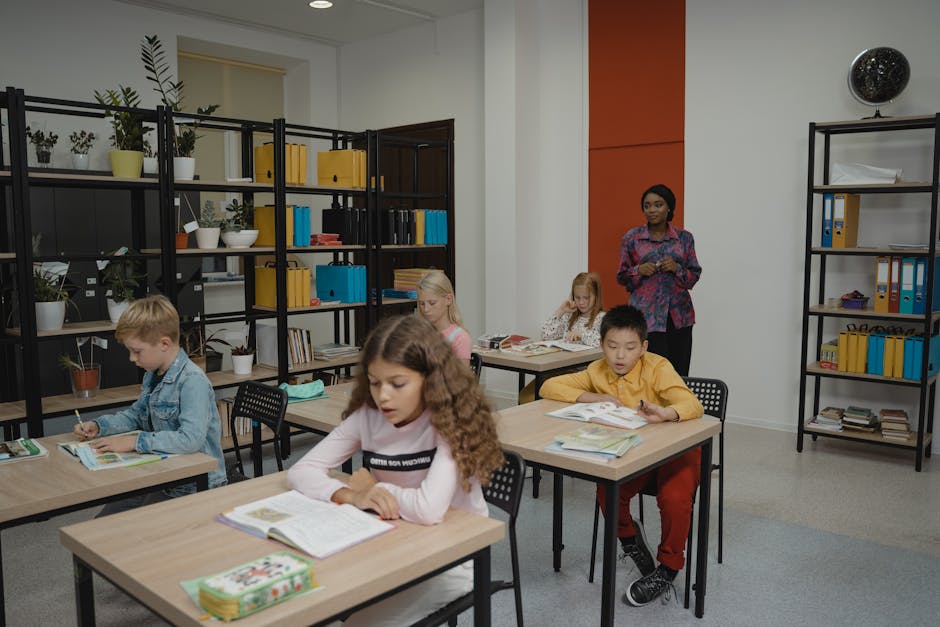
Three examples of how community-rooted work becomes visible over time.
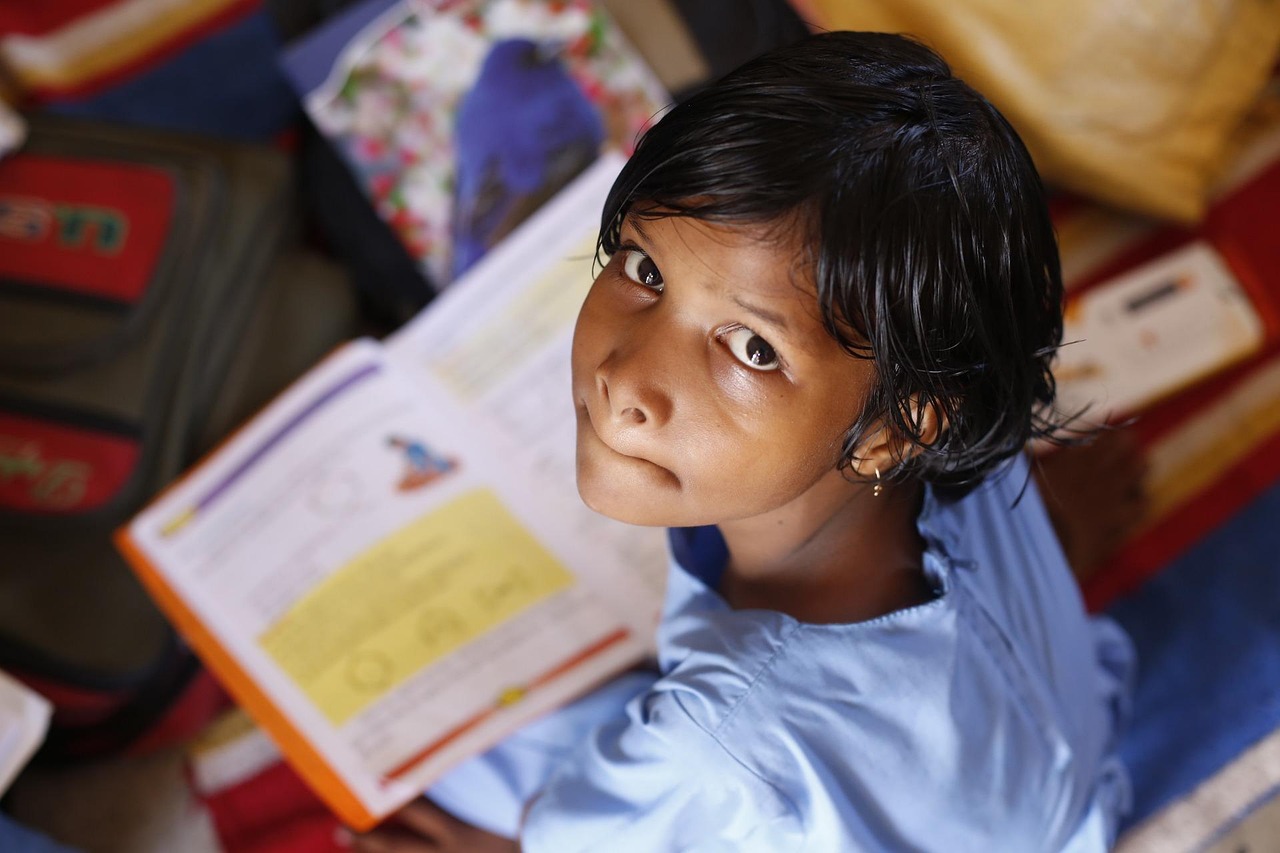
A brief exchange between caregivers and staff turned into a weekly session where children read with adults, older siblings joined in, and confidence grew quietly through repetition.
Once families no longer had to choose between attending a session and getting home in time for the evening meal, participation changed. Practical care made planning possible.
Cameras, notebooks, and conversation turned a familiar route into a shared archive of landmarks, stories, and belonging. The result was both creative and practical: young people saw their area as something worth describing carefully.
Photographs, notes, and spoken recollections now help shape workshops, orientation for volunteers, and conversations with partners. Instead of treating stories as decoration, S N Ursula Naofa uses them to understand pace, priority, and what support feels like from the inside.
“A good story does more than describe the work. It shows why people chose to come back.”
Story note from a partner reflection session
Images from gatherings, workshops, and quiet moments that hold the atmosphere around the stories.